
Xinyi Liu
Robotics Research Engineer
University of North Carolina - Chapel Hill
Hi! I’m Xinyi Liu, I joined the UNC & NCSU joint BME Doctoral program (as a Mansour doctoral fellow) in the Fall of 2024, supervised by Prof. Helen Huang. I previously worked on algorithms that enable powered prosthetic legs to avoid trips automatically. My research interests currently focus on the application of reinforcement learning to real-world wearable robots. I am deeply interested in how robots and humans co-adapt in a physical sense, and how robots could seamlessly assist people with mobility difficulties. Always happy to connect and share thoughts!
Interests
- Human Robot Interation
- Machine Learning
- Autonomous Systems
Education
Ph.D. Biomedical Engineering, Robotics
University of North Carolina - Chapel Hill (ongoing)
M.S. Electrical & Computer Engineering
University of Michigan
B.E. Electrical Engineering
ShanghaiTech University
📢 News
- [Sep 2026] Speaker at the Coulter Series Seminar of the Lampe Joint BME Department.
- [Jun 2026] Second speaker at Dynamic Walking 2026!
- [May 2026] Won the Graduate Student Service Award.
- [Apr 2026] Ran a Powered Prosthetics table at the Marbles Backwards Science Fair, showing visitors how wearable robots can improve quality of life.
- [Mar 2026] Invited to present our work at DexLab speaker series @ Duke, titled “Why Human Control Can’t Be Captured by Kinematics Alone?”.
- [Mar 2026] Invited to present at NC State Robotics Symposium.
- [Jan 2026] Leading TA for BME 457 Neural Engineering.
- [May 2025] Presented at Midwest Robotics Symposium.
- [Sep 2024] Joined UNC & NCSU joint BME Doctoral program as a Mansour doctoral fellow.
Featured Publications
Recent Publications
(2026).
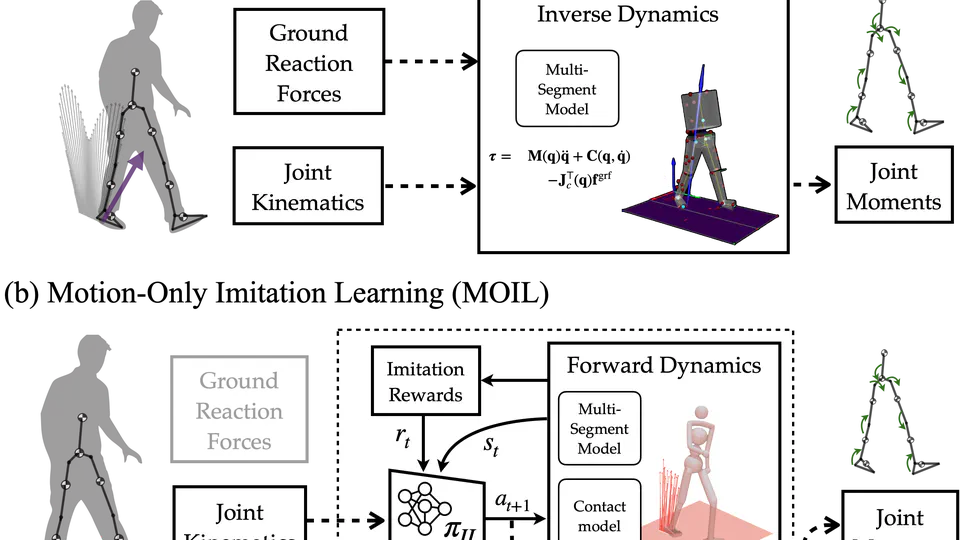
Imitation Learning from Human Motion Alone Does Not Guarantee Biomechanically Plausible Gait Kinetics.
arXiv:2603.12408 (submitted to RA-L).
(2024).
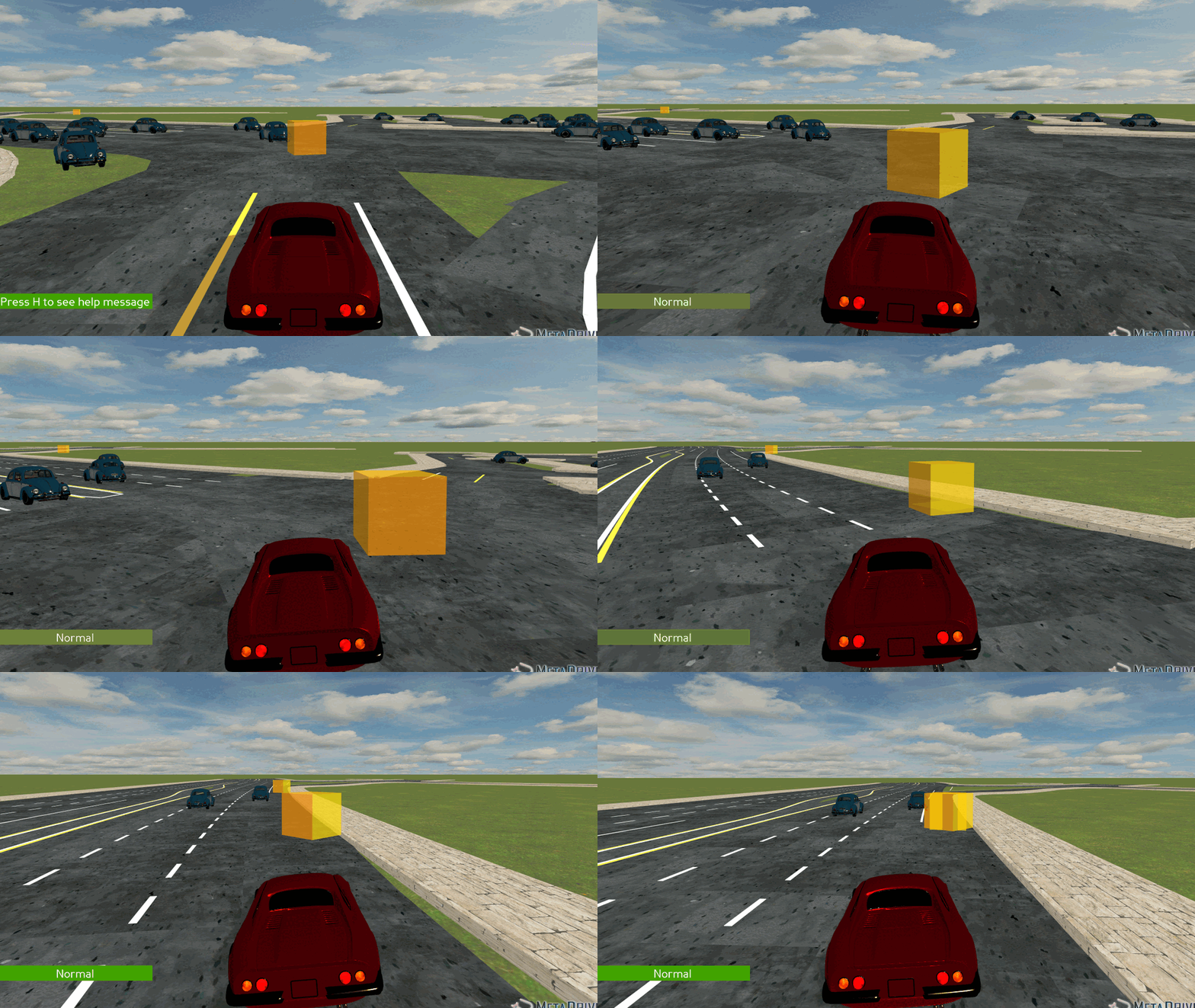
Guided Online Distillation: Promoting Safe Reinforcement Learning by Offline Demonstration.
In ICRA 2024.
Technical Skills
- Programming Languages: Python, C/C++, MATLAB, R, LaTeX
- Frameworks: PyTorch, TensorFlow, ROS/ROS2, CUDA
- Tools: Carla, Gym, IsaacSim, Mujoco, OpenSim